Enzyme Supplier for Beverage Co-Packers
Contract beverage plants do not buy enzymes in a vacuum. You buy uptime, cleaner changeovers, predictable tank behavior, and fewer surprises before filtration, filling, or release.
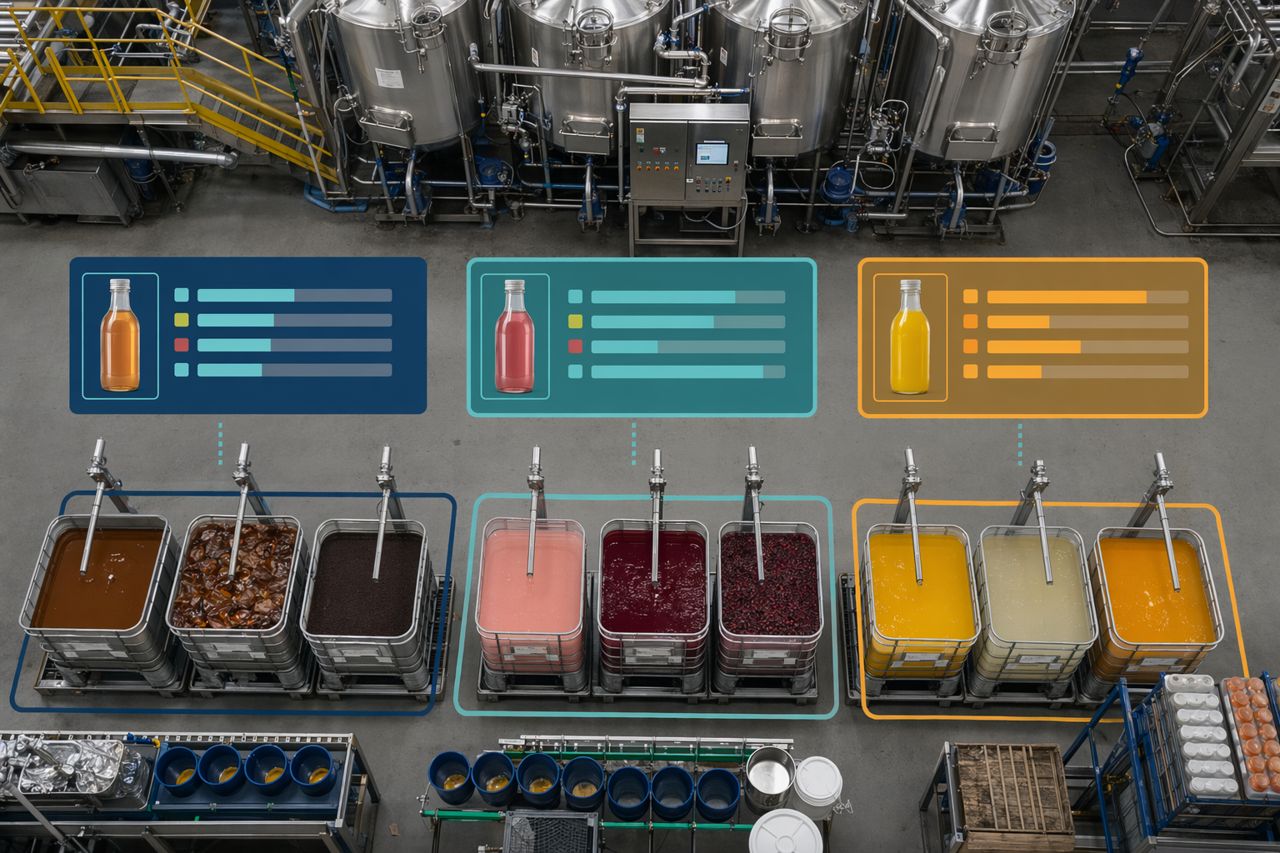
Switchyard Catalytics supports beverage co-packers running multi-SKU schedules across teas, juice blends, functional drinks, botanical extracts, concentrates, and hybrid beverage formats. We help plant teams select and trial enzyme solutions that fit real production constraints: tank availability, hold windows, temperature limits, filtration load, haze risk, ingredient variability, and documentation requirements.
If you need an enzyme supplier for beverage co-packers that understands the pressure of running multiple customer formulas on shared equipment, we are built for that conversation.
Enzyme programs built around co-packing realities
A co-packer’s enzyme decision is rarely just “which enzyme works?” The better question is: which enzyme program can be repeated across shifting SKUs without disrupting the production schedule?
Switchyard Catalytics helps beverage teams evaluate enzyme options for:
- Clarification improvement before filtration or polishing
- Pectin-related haze and slow settling in fruit-containing beverages
- Viscosity reduction in juice blends, purees, concentrates, and botanical extracts
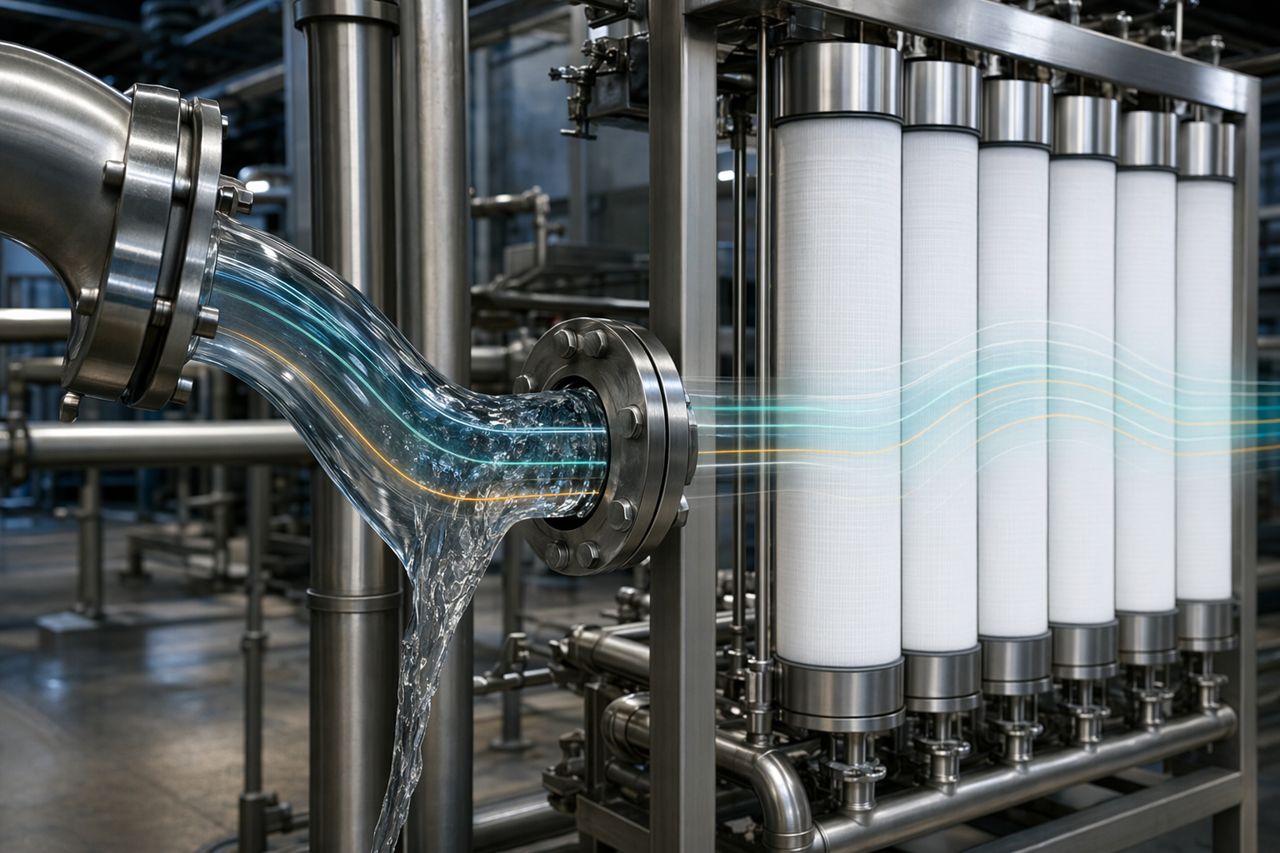
- Filtration relief where membrane, sheet, cartridge, or centrifuge steps are under pressure
- Starch-related cloud, instability, or processing drag in grain-adjacent inputs
- Tannin-driven haze, harshness, or extractability issues in tea and botanical systems
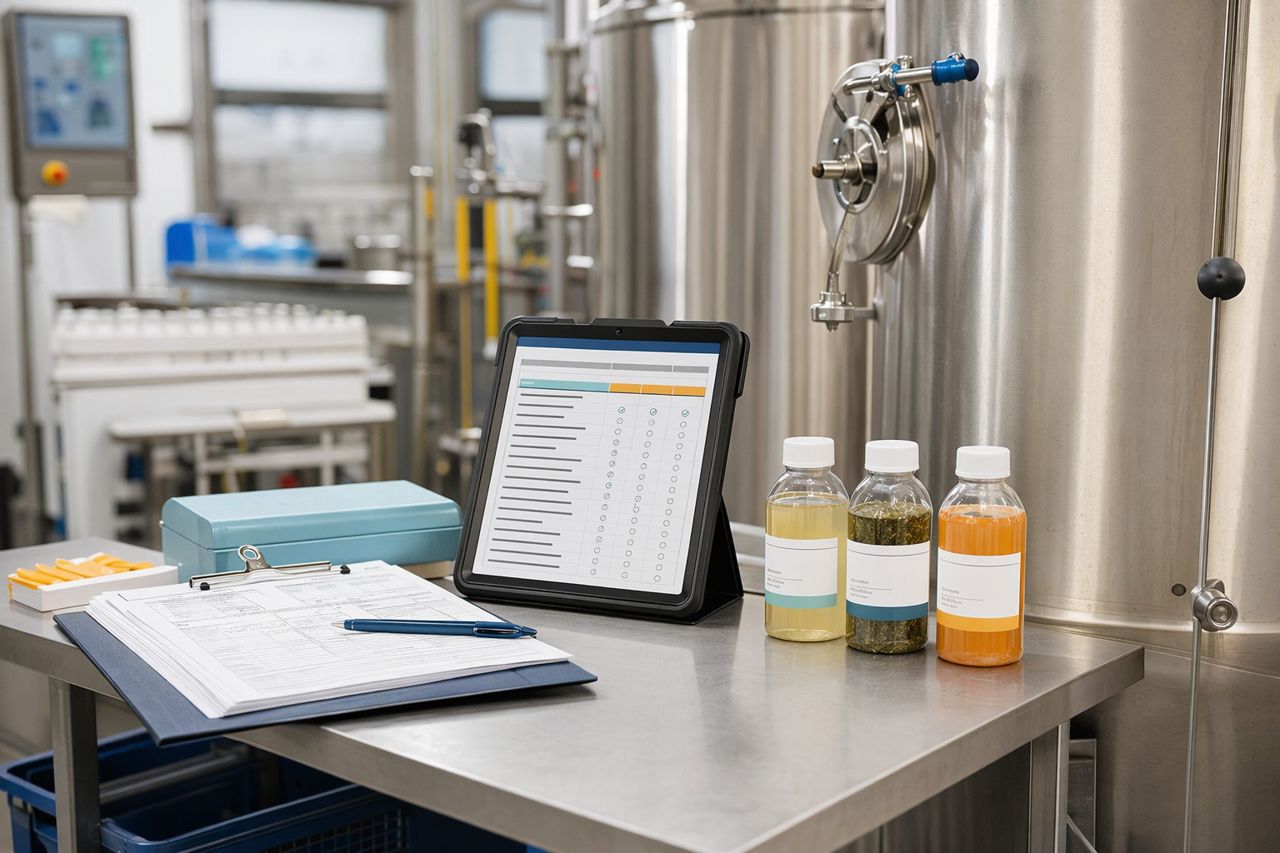
- Trial planning that plant teams can document, repeat, and scale
We do not sell vague “biotech performance.” We help you define what success looks like in the tank, on the filter, at the filler, and in the production record.
Where enzymes fit in a contract beverage plant
Pectinase for clarification and filtration relief
Fruit components, concentrates, purees, and plant-based inclusions can bring pectin into a formula even when the beverage is not positioned as a juice. Pectin can increase viscosity, slow settling, stress filtration, and contribute to haze.
A pectinase program may help co-packers improve:
- Clarification consistency across variable fruit inputs
- Tank settling behavior before downstream separation
- Filter throughput and reduced premature blinding
- Viscosity management before blending, heat treatment, or filling
- Visual stability in clear or semi-clear beverages
For co-packers, the key is not over-treating one batch. It is creating a repeatable treatment window that operators can follow under normal production conditions.
Cellulase for plant solids and botanical extraction challenges
Plant-derived ingredients can introduce fiber, suspended solids, and cell-wall material that complicate extraction and separation. Cellulase can be useful where the beverage matrix carries pulp, botanical load, vegetable components, or fibrous extracts.
Common objectives include:
- Better liquid release from plant materials
- Lower process drag from fibrous solids
- Improved separation behavior after extraction or blending
- Reduced viscosity in selected plant-heavy systems
- More predictable handling before filtration
We work with teams to assess whether cellulase belongs in the process, where it should be introduced, and what downstream effects must be checked before scaling.
Amylase for starch-related instability and process drag
Some beverage inputs carry starch or starch-derived cloud that can create haze, sediment, or viscosity issues. This can show up in grain-adjacent beverages, malted components, certain concentrates, or hybrid functional drinks.
An amylase program may support:
- Starch breakdown before clarification or filtration
- Reduced viscosity in starch-bearing systems
- Improved visual stability where starch haze is a concern
- More consistent transfer and processing behavior
For co-packers, amylase selection must be aligned with the formula, process temperature, hold time, and customer specification. We help frame the trial so the result is useful to both operations and quality.
Tannase for tea, botanical, and polyphenol-heavy beverages
Tea, coffee-adjacent, herbal, and botanical beverages can create haze or harsh sensory edges tied to tannins and polyphenol interactions. Tannase can support selected clarification, stability, and taste-management goals when used with the right process discipline.
Potential targets include:
- Reduced risk of tannin-related haze
- Better cold stability in tea-based beverages
- Improved clarity in botanical extracts
- Smoother profile in specific polyphenol-heavy systems
- More predictable behavior after chilling or storage
Because tannase can influence both appearance and sensory profile, we help teams design trials that check stability and taste before committing to a production change.
Built for multi-SKU changeover discipline
Co-packing teams live inside changeover pressure. One line may run an RTD tea in the morning, a functional drink after lunch, and a juice blend by night shift. Enzyme use has to fit that operating rhythm.
Switchyard Catalytics supports practical implementation around:
- Clear handling and addition points
- Defined batching sequence recommendations
- Compatible hold-window planning
- Operator-friendly documentation
- Quality checkpoints before filtration or filling
- Changeover awareness for allergen, flavor, color, and residue control programs
- Trial notes that help operations, QA, and the customer speak from the same record
The goal is not to add complexity. The goal is to remove hidden variability from the batch.
What a predictable enzyme trial should answer
A good enzyme trial gives the plant usable answers, not just a promising sample jar.
Before a trial, we help clarify:
-
The production problem
Is the issue haze, slow filtration, high viscosity, inconsistent settling, sediment, extraction yield, or sensory harshness? -
The beverage matrix
What fruit, botanical, tea, grain, stabilizer, acid, sweetener, or functional ingredient load is driving the behavior? -
The process window
Where can enzyme treatment realistically occur without disrupting batching, heat treatment, chilling, filtration, or filling? -
The success criteria
What needs to improve: line readiness, filter life, clarity, viscosity, tank turnover, hold behavior, or finished-product appearance? -
The documentation path
What records does the plant need for internal approval, customer approval, and repeat production?
Procurement value for beverage co-packers
A strong enzyme supplier relationship should help procurement reduce uncertainty, not create more technical back-and-forth.
Switchyard Catalytics supports B2B buyers with:
- Product selection guidance by beverage application
- Quote support for planned trials and production use
- Documentation aligned to commercial purchasing needs
- Technical conversation that includes operations and QA
- Practical recommendations for repeatable plant adoption
- Responsive support when a customer formula changes
We understand that co-packers need supplier clarity before they commit tank time, labor, and customer-facing trial schedules.
Common beverage co-packer use cases
Switchyard Catalytics can support enzyme selection for beverage programs such as:
- RTD teas and tea concentrates
- Botanical and herbal beverages
- Juice blends and juice-containing drinks
- Functional beverages with plant extracts
- Fruit-prep and puree-containing beverage bases
- Concentrates and syrups requiring viscosity management
- Hybrid beverage concepts moving from pilot to production
- Customer formulas that strain existing filtration capacity
If your plant is seeing batch-to-batch variation, slow separation, unstable haze, or filtration bottlenecks, enzyme selection may be worth evaluating before adding more mechanical burden to the line.
Why Switchyard Catalytics
We speak in plant terms because that is where enzyme performance has to prove itself.
You can expect:
- Direct conversations about tanks, filters, temperature, timing, and SKU flow
- Application-specific guidance without inflated claims
- Trial planning designed for repeatability
- Support for both technical teams and purchasing teams
- Clear quote pathways for commercial supply discussions
- A focus on uptime, consistency, and documentation
Switchyard Catalytics is built for beverage co-packers that need enzyme solutions to behave inside real schedules, real tanks, and real customer requirements.
Request a quote
Tell us what you are running, what is slowing the process down, and what outcome your team needs to document. We will help identify the enzyme category, trial approach, and supply path that fit your beverage co-packing operation.